A successful onboarding program is crucial for new employees to quickly integrate into a company culture and contribute effectively. This comprehensive guide dives deep into every aspect of the process, from pre-boarding activities to ongoing training and support. By understanding the key elements and best practices, organizations can foster a welcoming and productive environment for new hires, maximizing their potential and accelerating their success.
The guide explores various stages of onboarding, including defining a successful onboarding process, pre-boarding activities, the first day experience, ongoing training and development, communication and feedback, technology and resources, measuring and evaluating success, and finally, creating a practical onboarding checklist.
Defining a Successful Onboarding Process
A successful employee onboarding program is more than just paperwork and introductions; it’s a carefully orchestrated process designed to integrate new hires smoothly into the company culture and workflow. It sets the stage for long-term success by fostering a sense of belonging and equipping employees with the knowledge and support they need to thrive. A positive onboarding experience significantly impacts employee retention, productivity, and overall company performance.A well-structured onboarding process is characterized by clear communication, a supportive environment, and opportunities for growth.
It is a crucial investment in both the individual and the organization. New employees feel welcomed, informed, and empowered to contribute effectively. This, in turn, leads to faster time-to-productivity and a more engaged workforce.
Key Elements of a Positive Onboarding Experience
A successful onboarding program integrates several key elements that contribute to a positive and productive first few weeks. These elements include: comprehensive training on company policies and procedures, introduction to colleagues and team dynamics, and clear expectations for performance and contributions.
- Clear Communication: Communicating expectations, roles, responsibilities, and company culture from the outset is paramount. This includes providing access to relevant documentation, such as employee handbooks, and holding regular check-ins with supervisors and mentors.
- Mentorship and Support: Pairing new hires with experienced mentors or buddies can provide invaluable guidance and support. Mentors can offer insights into the company culture, answer questions, and facilitate a smooth transition into the workplace. This personal connection can significantly reduce feelings of isolation and increase the likelihood of long-term success.
- Comprehensive Training: Providing thorough training on company systems, software, and procedures is crucial for equipping new hires with the necessary skills to perform their job effectively. This should include practical application exercises and opportunities for hands-on learning.
- Meaningful Introductions: Actively facilitating introductions to colleagues and key stakeholders fosters a sense of community and belonging. This includes opportunities for informal interactions and social events, where new hires can connect with their peers and learn about the company culture.
- Performance Expectations and Feedback: Establishing clear performance expectations and providing regular feedback is essential for employee development. This helps new hires understand their role and how their contributions align with company objectives.
Best Practices for Creating a Welcoming Environment
A welcoming environment is crucial for a positive onboarding experience. A welcoming environment fosters trust and encourages open communication, allowing new hires to feel comfortable asking questions and seeking support. This environment should promote a sense of belonging and collaboration.
- Proactive Communication: Maintain open communication throughout the onboarding process. This includes regular check-ins with supervisors and mentors, and timely responses to questions and concerns.
- Flexibility and Adaptability: Be flexible and adaptable in your onboarding approach. Recognize that each individual has unique needs and preferences. Adjust the onboarding plan to ensure a personalized experience.
- Recognition and Appreciation: Acknowledge and appreciate the contributions of new hires. This can include verbal praise, written feedback, or small tokens of appreciation. Acknowledging effort, however small, can significantly boost morale and encourage future contributions.
- Active Listening and Empathy: Actively listen to new hires’ concerns and questions. Show empathy and understanding to create a supportive environment.
Measuring Onboarding Program Effectiveness
Measuring the effectiveness of an onboarding program is critical for continuous improvement. Key performance indicators (KPIs) should be defined and tracked to assess the program’s impact on employee retention, productivity, and job satisfaction. These metrics should be reviewed regularly to identify areas for enhancement.
- Employee Retention Rates: Track employee retention rates for new hires to assess the program’s impact on long-term engagement.
- Time-to-Productivity: Measure the time it takes for new hires to reach full productivity levels. This provides insights into the efficiency of the onboarding process.
- Employee Satisfaction Surveys: Conduct regular surveys to gather feedback on the onboarding experience from new hires. This direct feedback provides valuable insights and allows for continuous improvement.
- Training Completion Rates: Monitor the completion rates of onboarding training modules to gauge the effectiveness of the training program.
Common Onboarding Mistakes to Avoid
Common onboarding mistakes can significantly impact a new hire’s experience and productivity. Understanding and avoiding these mistakes is essential for creating a positive and productive onboarding process.
- Lack of Clear Communication: Failing to clearly communicate expectations, roles, and responsibilities can lead to confusion and frustration.
- Insufficient Training: Providing inadequate training can hinder new hires’ ability to perform their jobs effectively.
- Inadequate Support System: Lack of mentorship or support from experienced colleagues can lead to feelings of isolation and difficulty adapting to the workplace.
- Ignoring Feedback: Ignoring feedback from new hires can prevent the identification of areas for improvement in the onboarding process.
- Poor Time Management: A poorly managed onboarding timeline can lead to a stressful and unproductive experience.
Pre-Onboarding Activities

Pre-boarding, the period before a new employee’s first day, is crucial for setting the stage for a successful and positive onboarding experience. Proper preparation significantly impacts a new hire’s first impression and their overall integration into the company culture. It’s an opportunity to build excitement and anticipation, ensuring a smooth transition into their new role.Pre-boarding activities go beyond simply sending paperwork.
They establish a sense of belonging and anticipation, which translates to higher engagement and retention. By addressing logistical details and fostering a connection with the company beforehand, organizations can significantly enhance the new employee’s first day experience and their long-term success.
Importance of Pre-boarding Activities
Pre-boarding activities are vital for several reasons. They streamline the initial steps, reduce stress and anxiety on the new hire’s first day, and help create a positive first impression. This proactive approach builds a strong foundation for future success, fostering a sense of belonging and excitement about the new role. The early interaction also allows the company to establish a clear picture of the new hire’s expectations and preferences, enabling better alignment with the company culture.
Pre-boarding Checklist
A well-structured pre-boarding checklist ensures that all essential tasks are completed efficiently and effectively. This systematic approach minimizes potential issues and ensures a smooth start for new employees.
- Gather required documents: Collecting necessary paperwork, such as employment contracts, tax forms, and background checks, well in advance of the first day reduces administrative delays and allows the new employee to focus on other aspects of the transition.
- Prepare the workspace: Ensuring that the new hire’s workspace is ready with the necessary equipment and supplies before their first day eliminates any initial hurdles and allows them to get started immediately.
- Assign a buddy or mentor: Pairing new hires with a seasoned employee acts as a valuable resource, offering guidance and support during the initial period. This established connection can significantly enhance the new employee’s experience.
- Send welcome communication: Providing welcome emails, company introductions, and helpful resources before their first day creates a sense of anticipation and eases their transition.
- Provide access to resources: Sharing company intranet access, employee handbooks, and other essential resources in advance of their first day empowers new hires to be self-sufficient and proactive.
- Confirm logistical details: Confirming start date, location, parking arrangements, and other practical details before the first day helps avoid potential conflicts or confusion.
- Artikel team introductions: Connecting the new hire with their team members and colleagues in advance fosters a sense of belonging and anticipation for the start of their work.
Benefits of Pre-boarding Communication
Effective communication during the pre-boarding phase is crucial for setting the tone for the new hire’s first day. This proactive communication creates a sense of welcome and anticipation, fostering a more positive and productive start. It also demonstrates the company’s commitment to supporting their new employees.
- Reduces stress and anxiety: Clear communication regarding expectations and procedures can significantly reduce stress and anxiety associated with starting a new job. This proactive approach fosters a sense of preparedness and control.
- Builds excitement and anticipation: Communicating company culture, values, and team introductions generates excitement and anticipation for the new role and colleagues. This early interaction fosters a positive and engaging experience.
- Enhances new hire satisfaction: Pre-boarding communication demonstrates the company’s commitment to supporting new hires, which positively impacts their overall satisfaction and experience. This proactive approach builds a strong foundation for long-term success.
Effective Pre-boarding Communication Strategies
Effective communication with new hires before their first day is crucial for creating a positive impression and setting the stage for a successful onboarding experience.
- Welcome email series: A series of welcome emails, sent in the days leading up to the start date, can introduce the company culture, team members, and important resources.
- Interactive onboarding platform: An online platform can provide access to company policies, team introductions, and interactive modules to prepare the new hire before their first day.
- Introduce team members: A personal introduction to team members through video or brief written messages can foster a sense of belonging and connection.
- Company culture insights: Sharing company values, mission statements, and employee stories before the first day allows new hires to understand the company’s ethos and culture more deeply.
Engaging Pre-boarding Activities
Implementing engaging pre-boarding activities helps new hires become more familiar with the company culture and their new colleagues. These activities can range from virtual team introductions to interactive quizzes about the company’s history.
- Virtual team introductions: Holding virtual team meetings allows new hires to meet their colleagues in a relaxed environment before their first day.
- Interactive company quizzes: Engaging quizzes about the company’s history, mission, and values create a fun and interactive way to familiarize new hires with the company culture.
- Pre-boarding welcome package: Sending a welcome package with company merchandise or useful resources creates a memorable first impression and demonstrates the company’s commitment to new hires.
First Day and Initial Training
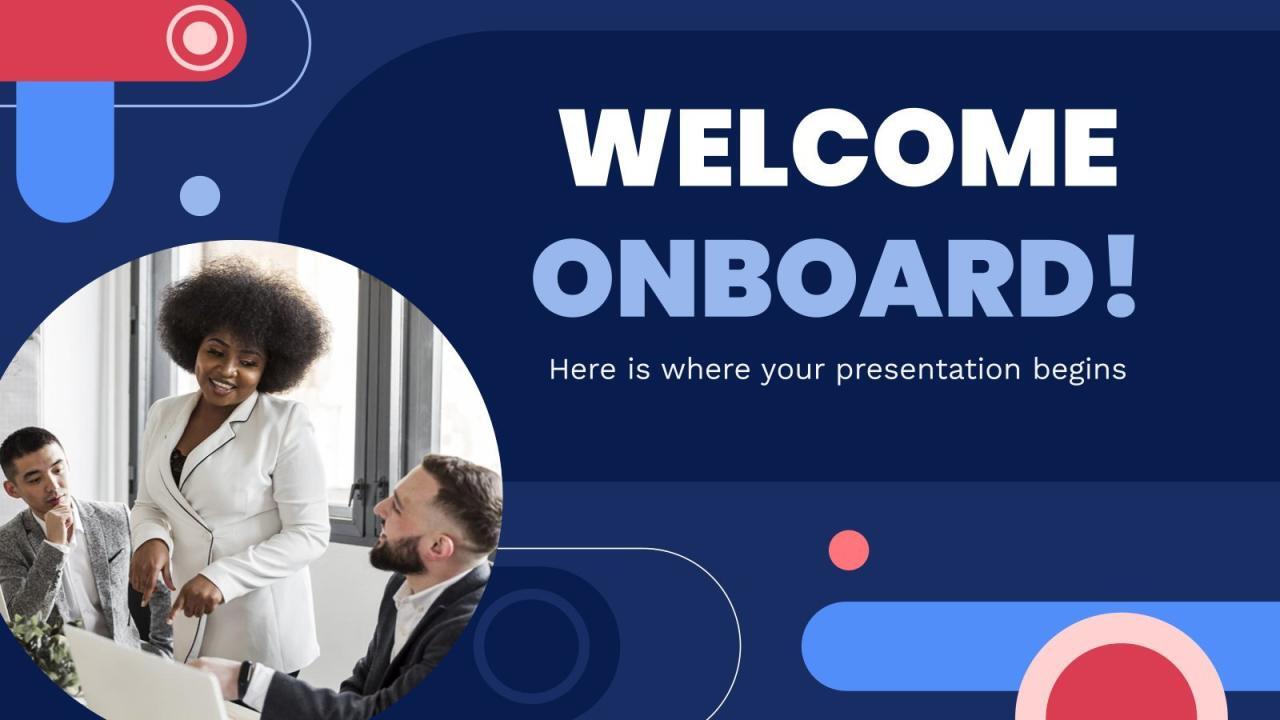
A positive first day sets the tone for a new employee’s entire tenure. A well-structured onboarding process, encompassing introductions, departmental orientation, and initial training, significantly impacts employee engagement and productivity. This initial period fosters a sense of belonging and clarifies expectations, maximizing the potential for a successful transition.The first day is crucial in building a strong foundation for a new employee’s integration into the company culture and their respective team.
It’s an opportunity to not only introduce the employee to their colleagues but also to provide vital information about their role, responsibilities, and the company’s overall operations. A smooth transition from the pre-boarding phase to the first day experience is essential for a productive start.
Ideal First-Day Experience
A positive first-day experience should be welcoming, informative, and engaging. New hires should feel valued and supported from the moment they arrive. This includes a designated point of contact, a welcoming environment, and clear expectations for the day’s activities. The goal is to establish a sense of comfort and familiarity with the company’s culture and their new team.
Significance of a Welcoming First Day
A welcoming first day fosters a sense of belonging and reduces anxiety. New employees are more likely to engage actively and contribute meaningfully when they feel welcomed and supported. This sense of inclusion promotes a positive initial impression and encourages long-term commitment. Positive experiences on the first day directly correlate with increased employee satisfaction and retention.
Importance of Introductions and Team Building
Team introductions on the first day are vital for fostering collaboration and establishing connections. New hires should meet their direct team members, colleagues in other departments, and key stakeholders. Activities like icebreakers and informal discussions can create a supportive environment and help new hires quickly integrate into the team dynamics. These initial interactions are essential for building rapport and understanding team roles and responsibilities.
Strategies for Effective Initial Training Sessions
Effective initial training sessions should be concise, informative, and practical. They should focus on essential skills and knowledge relevant to the new employee’s role. Interactive exercises and demonstrations are highly recommended to enhance understanding and retention. Training materials should be readily available and easily accessible. Clear expectations for the training session, including objectives, timeline, and assessment methods, should be communicated in advance.
Sample Schedule for the First Day
| Time | Activity | Description |
|---|---|---|
| 9:00 – 9:30 AM | Arrival and Welcome | Designated point of contact greets the new employee and escorts them to the designated workspace. Introduction to the company’s mission, values, and culture. |
| 9:30 – 10:00 AM | Team Introductions | Formal introductions to the team, highlighting each team member’s role and responsibilities. |
| 10:00 – 10:30 AM | Departmental Overview | Overview of the department’s structure, key projects, and team goals. |
| 10:30 – 11:30 AM | Initial Training Session | Focus on essential software, procedures, and company policies. Interactive exercises and Q&A sessions. |
| 11:30 AM – 12:00 PM | Lunch | Opportunity for the new employee to connect with colleagues and ask questions. |
| 12:00 – 1:00 PM | Role-Specific Training | Training specific to the new employee’s job role, including tasks, responsibilities, and tools. |
| 1:00 – 1:30 PM | Q&A and Feedback Session | Opportunity for the new employee to ask questions and provide feedback on the onboarding process. |
Ongoing Training and Development
A robust ongoing training and development program is crucial for new employees to thrive and contribute effectively to the company. This phase ensures they gain the necessary skills and knowledge to excel in their roles and aligns their growth with company objectives. By offering ongoing support and resources, companies foster a culture of continuous learning and professional development.A well-structured program for ongoing training and development provides a clear path for new hires to advance their skills and expertise.
This includes opportunities for mentorship, participation in company-wide initiatives, and access to relevant resources. This ongoing support is essential for new employees to feel integrated into the company culture and to succeed in their roles.
Training Program Design
A comprehensive training program should be tailored to the specific needs of each department and role. This approach ensures new hires receive training relevant to their job functions and the company’s overall strategic goals. The program should encompass both technical skills development and soft skills enhancement, fostering a well-rounded individual contributor.
Integrating New Hires into Company Initiatives
Actively integrating new hires into existing company initiatives promotes a sense of belonging and fosters collaboration. This can be achieved by assigning them to projects aligned with their skill sets and interests, and by encouraging participation in team meetings and social events. By participating in existing projects, new employees gain valuable experience and learn best practices from established colleagues.
This inclusion not only benefits the new hire but also strengthens the team’s overall performance.
Key Performance Indicators for New Hire Progress
Tracking new hire progress is essential to evaluate the effectiveness of the onboarding process and identify areas for improvement. KPIs should be tailored to specific roles and should include measures of performance, engagement, and skill development. Examples of KPIs could be project completion rates, client satisfaction scores, or participation in training sessions. Regular monitoring and analysis of these metrics provide valuable insights into the new hires’ integration and overall success.
Fostering a Culture of Mentorship and Guidance
Establishing a culture of mentorship and guidance is crucial for the success of new employees. This can be facilitated by assigning experienced mentors to new hires who can provide guidance, support, and feedback. Mentors should be selected based on their experience, expertise, and ability to communicate effectively. Mentorship programs can include regular meetings, project collaborations, and informal check-ins to provide personalized support and address any challenges.
Comparing Approaches to Ongoing Training and Development
Different approaches to ongoing training and development cater to various learning styles and company needs. One approach might focus on structured, in-house training programs, while another could emphasize online learning platforms and self-directed development. Companies can choose the most appropriate method or blend various approaches to create a program that aligns with their culture and resources.For instance, a combination of instructor-led sessions, online courses, and peer-to-peer learning can create a comprehensive and engaging development experience.
Companies should evaluate their specific requirements and resources when choosing an approach to ongoing training and development.
Communication and Feedback
Effective communication and ongoing feedback are crucial for a successful onboarding experience. A well-structured communication plan, coupled with regular feedback mechanisms, fosters a sense of belonging and support, accelerating the new hire’s integration into the company culture and contributing to their overall success. This proactive approach minimizes anxieties and helps address potential concerns early on, leading to a more productive and engaged workforce.A robust communication strategy ensures transparency, clarity, and timely information sharing, which are fundamental to building trust and rapport with new employees.
Regular feedback sessions, both formal and informal, provide opportunities to identify areas for improvement, address concerns promptly, and tailor the onboarding process to meet individual needs. This ongoing dialogue empowers new hires to adapt and excel in their roles, ultimately driving organizational success.
Communication Plan for Onboarding
A well-defined communication plan is essential for seamless onboarding. It Artikels the key stakeholders involved and the frequency of communication, ensuring that all relevant parties are informed and updated throughout the process.
- Key Stakeholders: This includes the hiring manager, HR representative, team lead, mentor (if applicable), and other relevant department heads. Each stakeholder plays a vital role in providing support and guidance to the new hire.
- Frequency of Communication: Establish regular communication touchpoints. This might include daily check-ins, weekly progress reviews, and monthly one-on-one meetings. The specific frequency should be determined based on the individual needs of the new hire and the complexity of their role.
Methods for Providing Regular Feedback
Providing regular feedback is crucial for a successful onboarding experience. This feedback should be constructive, focused on both strengths and areas for improvement, and delivered in a timely and supportive manner.
- Formal Feedback Sessions: Scheduled meetings with the hiring manager and team lead to discuss progress, address challenges, and provide constructive criticism. These meetings can be conducted weekly or bi-weekly, depending on the role and the individual’s progress.
- Informal Check-ins: Regular, brief check-ins with the mentor, team lead, or HR representative to address any concerns or questions that arise. These check-ins should be conducted on a daily or bi-daily basis, ensuring the new hire feels supported and heard.
- Performance Reviews: Implement performance reviews at set intervals (e.g., quarterly) to provide comprehensive feedback on the new hire’s performance, identify strengths, and pinpoint areas requiring further development.
Soliciting and Addressing Employee Concerns
Creating a supportive environment where new hires feel comfortable expressing concerns is essential. Proactive mechanisms for soliciting and addressing these concerns promptly can significantly impact the onboarding process.
- Feedback Mechanisms: Establish various channels for feedback, such as suggestion boxes, anonymous surveys, or dedicated feedback forms. These mechanisms ensure that concerns are heard and addressed in a confidential manner.
- Open-Door Policy: Encourage an open-door policy, where new hires feel comfortable approaching managers or HR representatives with any questions or concerns. This fosters a sense of trust and transparency.
- Active Listening: Actively listen to new hires’ concerns, providing empathetic responses and taking the time to understand their perspective. This is critical to addressing concerns effectively.
Building a Strong Rapport with New Hires
Building a strong rapport is key to fostering a positive and productive onboarding experience. A welcoming and supportive environment is vital for new hires to feel integrated into the team and the company culture.
- Welcome Activities: Organize welcoming events or activities that allow new hires to interact with colleagues and get to know the company culture. Team-building exercises, informal gatherings, or company tours can be very effective.
- Mentorship Programs: Pair new hires with experienced mentors who can provide guidance, support, and insight into the company’s culture and processes. Mentorship programs can greatly assist new hires in navigating their initial weeks and months.
- Recognition Programs: Recognize and reward new hires for their contributions, both big and small. This positive reinforcement fosters a sense of belonging and appreciation, which strengthens the rapport.
Importance of Continuous Communication and Feedback
Continuous communication and feedback are vital throughout the onboarding process. This ongoing interaction ensures that the new hire’s needs are met, their questions answered, and any issues addressed proactively.
- Ongoing Support: Providing ongoing support through regular check-ins and feedback sessions helps address challenges as they arise, minimizing disruptions to the new hire’s integration into the company. This approach facilitates a more seamless transition.
- Adaptability: Continuous communication and feedback allow the onboarding process to be adapted based on the new hire’s performance and feedback. This ensures the process is tailored to individual needs, maximizing the onboarding experience.
Technology and Resources
A robust onboarding process hinges on providing new hires with the necessary tools and technology to seamlessly integrate into the company. Effective access to essential resources, coupled with clear documentation and dedicated IT support, ensures a smooth transition and fosters productivity from day one. This section details the crucial elements for a successful technological integration.
Essential Technology and Resources
A comprehensive list of technology and resources is vital for new hires to feel comfortable and productive. This includes not only software applications but also access to internal communication platforms, knowledge bases, and relevant documentation.
- Software Applications: New hires should have immediate access to necessary software, including project management tools, communication platforms, and data analysis programs. This ensures they can immediately contribute to ongoing projects and tasks.
- Company Network Access: Provision of secure network access is critical. This includes establishing accounts and providing necessary security protocols to ensure confidentiality and data protection.
- Email and Communication Platforms: Establishing email accounts and access to company-wide communication platforms is essential. This allows new hires to receive critical updates, participate in team discussions, and collaborate efficiently.
- Internal Knowledge Base and Documentation: Providing access to internal knowledge bases, FAQs, and comprehensive documentation related to company policies, procedures, and processes is critical for a smooth onboarding experience. Clear and easily accessible information reduces confusion and supports self-sufficiency.
- Hardware (if applicable): Provision of necessary hardware, such as laptops, phones, and peripherals, is paramount for new hires to perform their job effectively. Ensuring that the hardware meets the company’s standards and specifications is crucial.
Integrating New Hires into the Technological Infrastructure
A structured approach to integrating new hires into the company’s technological infrastructure is essential. This involves a phased approach, ensuring smooth transitions and avoiding potential technological hurdles.
- Initial Setup: The first step involves providing detailed instructions and support for setting up their accounts, software, and necessary hardware. This includes guidance on using various systems, such as email, calendars, and project management tools.
- Training Sessions: Scheduled training sessions focused on using specific software applications and company-wide tools are beneficial. These sessions should be tailored to the role and responsibilities of the new hire, focusing on relevant functionalities.
- Mentorship Programs: Pairing new hires with experienced colleagues can facilitate the transition. Mentors can guide new hires through the company’s technology, offering personalized support and answering specific questions.
Ensuring Access to Necessary Resources
A proactive approach to ensuring access to necessary resources is crucial for new hires’ success. This includes a well-defined process for requesting access and a dedicated support team to address any issues promptly.
- Access Request Process: A clear and streamlined process for requesting access to resources, such as software, databases, or specific files, should be established. This process should be documented and readily available to all new hires.
- Dedicated Support Team: A dedicated IT support team or individual should be responsible for addressing technical issues and providing assistance to new hires promptly. Their role is crucial in resolving any problems and ensuring smooth operations.
- Regular Check-ins: Regular check-ins with new hires to assess their progress and address any technical challenges promptly are crucial. This ensures they receive the necessary support throughout the onboarding period.
Importance of Clear Documentation
Clear and concise documentation of company processes and procedures is critical. This documentation should be readily available and easily accessible to all new hires.
Clear and accurate documentation minimizes confusion and facilitates efficient work processes.
- Comprehensive Documentation: Comprehensive documentation should cover all aspects of company procedures, including software usage, communication protocols, and internal policies. This includes a dedicated section for new hire onboarding procedures.
- Regular Updates: Documentation should be regularly reviewed and updated to reflect changes in processes or policies. This ensures the accuracy and relevance of information available to new hires.
- Easy Access: Documentation should be easily accessible through a centralized platform or a dedicated intranet section. This ensures new hires can quickly find the information they need.
Role of IT Support in Onboarding
The IT support team plays a vital role in onboarding. Their responsibilities extend beyond technical assistance, encompassing proactive support and ensuring a smooth transition for new hires.
- Proactive Support: IT support should proactively address potential technological issues and proactively support new hires during the onboarding process.
- Training and Guidance: IT support can provide tailored training sessions or individual guidance on using specific software applications or company tools.
- Troubleshooting: IT support should be readily available to troubleshoot any technical problems or issues new hires may encounter. Swift responses to requests are paramount.
Measuring and Evaluating Onboarding Success
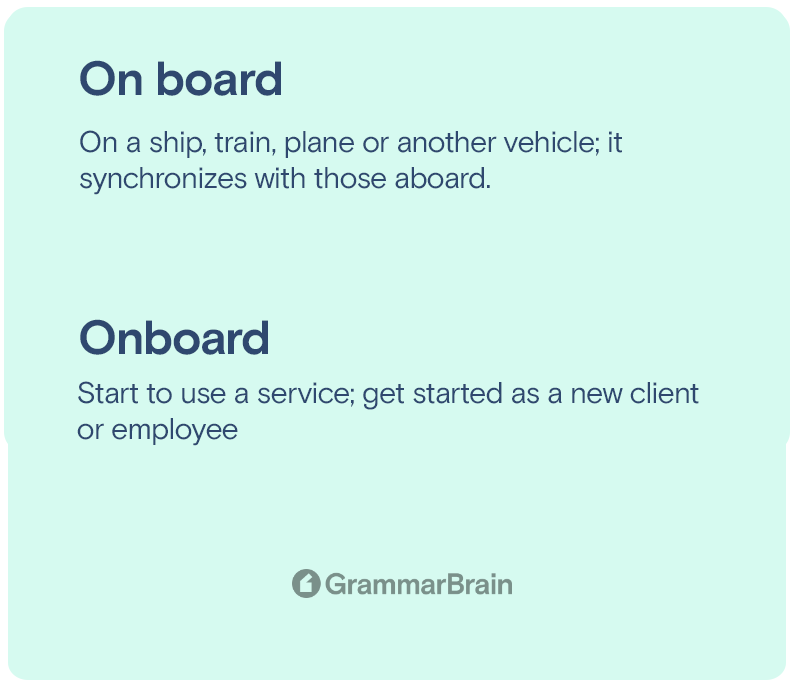
A robust onboarding program is only as good as its ability to track and measure its effectiveness. By diligently monitoring key metrics and gathering feedback, organizations can identify areas needing improvement and ensure a positive experience for new hires. This process allows for continuous optimization and a higher rate of employee retention.Evaluating onboarding success is crucial for understanding what’s working well and what needs adjustments.
Regular assessment helps fine-tune the process, fostering a positive and productive start for new employees, ultimately leading to improved team performance and overall organizational success.
Key Metrics for Evaluating Onboarding
Understanding the effectiveness of an onboarding program relies on identifying and tracking relevant metrics. These metrics provide a quantitative picture of the program’s impact. Key metrics include new hire retention rates, employee satisfaction scores, time to productivity, and the completion rate of onboarding tasks. Tracking these metrics over time allows for the identification of trends and patterns.
Gathering Feedback from New Hires
Regular feedback from new hires is essential for understanding their experience and identifying areas for improvement. Surveys, exit interviews, and one-on-one discussions with new hires provide valuable insights. These feedback mechanisms offer direct feedback on the strengths and weaknesses of the onboarding program.
Methods for Analyzing Onboarding Data
Analyzing collected data is crucial for pinpointing areas requiring improvement. Tools like spreadsheets, databases, and data visualization software can assist in identifying trends and patterns. Statistical analysis can highlight correlations between onboarding elements and employee outcomes. This analysis enables a comprehensive understanding of the onboarding program’s performance and allows for targeted improvements.
Data Visualization for Onboarding Metrics
Data visualization techniques effectively present onboarding program metrics. For example, a line graph can illustrate the trend of new hire retention over time. A bar chart can compare the completion rates of different onboarding tasks. These visualizations make complex data more accessible and easier to interpret, allowing stakeholders to quickly grasp the program’s performance and identify areas needing attention.
A scatter plot could visually display the correlation between time to productivity and the level of employee engagement during onboarding. Visual representations like these help stakeholders quickly grasp the onboarding program’s effectiveness and highlight areas requiring attention.
Strategies for Tracking and Improving Onboarding Outcomes
Regular monitoring of onboarding metrics and continuous evaluation of feedback are crucial for continuous improvement. Implementing a feedback loop that gathers data, analyzes it, and adjusts the program accordingly is essential. Adjustments to the program should be data-driven and based on the feedback received. Tracking progress through dashboards, reporting systems, and data visualization tools empowers stakeholders to monitor performance effectively.
This approach ensures the onboarding program is constantly refined and adapted to evolving needs.
Creating an Onboarding Checklist
A comprehensive onboarding checklist is crucial for ensuring a smooth and positive transition for new employees. It serves as a roadmap for all involved parties, outlining expectations, responsibilities, and timelines. This structured approach fosters a sense of preparedness and efficiency, ultimately contributing to a successful integration process.A well-designed checklist provides clarity on the steps involved, allowing HR, managers, and team members to focus on their respective roles.
This clarity minimizes confusion and ensures that no critical steps are overlooked. It also streamlines the process, allowing for efficient tracking of progress and identification of potential bottlenecks.
Onboarding Checklist Structure
This checklist utilizes a structured table format for clarity and ease of use. Each step is broken down into distinct phases, enabling a comprehensive view of the onboarding journey. This approach allows for quick identification of specific tasks and their corresponding owners, timelines, and statuses.
| Phase | Task | Responsible Party | Deadline |
|---|---|---|---|
| Pre-Onboarding | Prepare new hire paperwork and welcome package. | HR | 1 week prior to start date |
| Pre-Onboarding | Confirm employment details and verify background check. | HR | 1 week prior to start date |
| Pre-Onboarding | Schedule pre-boarding meeting and welcome new hire. | HR, Hiring Manager | 2 days prior to start date |
| First Day | Welcome new employee and complete initial paperwork. | HR, Hiring Manager | Day 1 |
| First Day | Introduce new hire to team and workspace. | Team Lead, Hiring Manager | Day 1 |
| First Day | Assign initial tasks and resources. | Team Lead | Day 1 |
| Initial Training | Conduct initial company policies and procedures training. | HR | Day 2-3 |
| Initial Training | Introduce new hire to company culture and values. | Team Lead | Day 2-3 |
| Initial Training | Assign a mentor or buddy. | Team Lead | Day 2-3 |
| Ongoing Training | Schedule ongoing training sessions. | HR, Team Lead | Ongoing |
| Ongoing Training | Track progress and identify learning gaps. | Manager, Team Lead | Ongoing |
| Ongoing Training | Provide regular feedback and coaching. | Manager, Team Lead | Ongoing |
| Communication & Feedback | Establish regular communication channels. | Manager, Team Lead | Ongoing |
| Communication & Feedback | Solicit feedback from new hire. | Manager, Team Lead | Weekly |
| Measuring Success | Assess onboarding effectiveness. | HR, Management | Ongoing, 30, 60, 90 days |
Departmental Responsibilities
A clear delineation of responsibilities across departments ensures accountability and a cohesive onboarding process.
| Department | Responsibility | Specific Tasks | Example |
|---|---|---|---|
| HR | Administrative tasks | Paperwork, background checks, onboarding materials. | Preparing welcome packages, scheduling initial training. |
| Management | Team integration | Team introductions, task assignments, mentorship. | Introducing new hires to team members, assigning initial projects. |
| Team Members | Mentorship and support | Providing guidance, answering questions, and fostering a welcoming environment. | Sharing knowledge, helping with technical issues, and providing feedback. |
Illustrative Examples of Onboarding Activities
A robust onboarding program goes beyond paperwork and introductions. Effective onboarding fosters a sense of belonging and cultivates a positive employee experience. The activities employed should be carefully chosen to support new hires’ assimilation into the company culture and their understanding of their roles.
Team Lunches and Social Gatherings
Team lunches, social gatherings, or informal coffee breaks provide a valuable opportunity for new hires to connect with colleagues outside of formal settings. These interactions facilitate the development of relationships and build camaraderie within the team. They also give new employees a chance to observe the team’s dynamics, learn about shared values, and become more familiar with company culture.
- Benefit: Fosters a sense of belonging, promotes networking, and enhances communication amongst team members. Introduces new hires to the informal side of the company culture.
- Drawback: Requires careful planning and execution to avoid exclusion or awkwardness. Timing must be considered to avoid scheduling conflicts or overwhelming new hires.
- Example: A team lunch organized specifically for the new sales team, including the new hire, and a senior member from the team to act as a mentor and guide. The lunch includes casual conversation about the team’s work and challenges, highlighting successful strategies and company goals.
Departmental Tours and Introductions
Departmental tours provide a valuable opportunity for new hires to see the physical space where they’ll be working and meet their colleagues in their respective departments. This helps them understand the workflows and get a better understanding of the overall company structure and processes.
- Benefit: Enhances understanding of the company structure and workflows. Allows new hires to visualize their role within the company and develop a sense of the overall operations.
- Drawback: Tours can be overwhelming if not properly structured and managed. They should be kept focused on relevant aspects to the new hire’s role.
- Example: A guided tour of the marketing department for a new marketing associate, highlighting specific teams and their contributions. The tour should include visits to the creative suite, the design department, and the social media team. The tour leader should highlight projects currently underway and relevant company initiatives.
Mentorship Programs
Mentorship programs provide new hires with a trusted advisor and guide within the company. Mentors offer valuable insights, advice, and support to navigate the complexities of the workplace and help them achieve their career goals. Mentorship programs often include regular meetings to foster a continuous feedback loop and offer a safe space for questions.
- Benefit: Provides personalized guidance, fosters professional development, and builds a supportive network for the new hire.
- Drawback: Requires careful selection of mentors to ensure a good fit and to ensure the availability of the mentor for regular meetings. Both the mentor and mentee should be properly trained.
- Example: A new software engineer is paired with a senior engineer who has expertise in the same area. The mentor meets with the new engineer weekly to discuss technical challenges, provide feedback on projects, and offer advice on career development. This relationship can also lead to the development of strong professional relationships.
Onboarding Workshops and Seminars
Onboarding workshops and seminars offer a structured approach to providing critical information about the company’s policies, procedures, and culture. These workshops can cover a range of topics, from company history and mission to specific departmental procedures.
- Benefit: Delivers structured and consistent information to new hires, ensuring they are equipped with the knowledge and skills necessary for their roles.
- Drawback: Can be time-consuming and potentially overwhelming if not well-organized. Interactive sessions and opportunities for questions are vital.
- Example: A two-day onboarding workshop covering company values, policies, and procedures. The workshop includes interactive sessions, group activities, and Q&A sessions with senior leadership. This would be complemented by a welcome packet containing additional resources.
Summary

In conclusion, a well-structured onboarding process is essential for employee retention and productivity. By implementing the strategies Artikeld in this guide, organizations can cultivate a positive and supportive environment for new hires, enabling them to quickly acclimate, learn, and contribute meaningfully to the company’s success. A strong onboarding program directly impacts the employee experience and sets the stage for a long-term, productive relationship.