Unlocking the potential of effective networking is crucial for sustainable business growth. This comprehensive guide delves into the art of forging meaningful connections, transforming casual interactions into valuable partnerships. From mastering the nuances of online platforms to navigating the intricacies of in-person events, we’ll equip you with practical strategies to maximize your networking efforts.
This guide provides a roadmap for understanding the principles of effective networking, empowering you to build a robust professional network that fuels your business objectives. We’ll explore the crucial distinctions between superficial connections and genuine relationships, emphasizing the importance of active listening, insightful questions, and strategic follow-up.
Defining Effective Networking
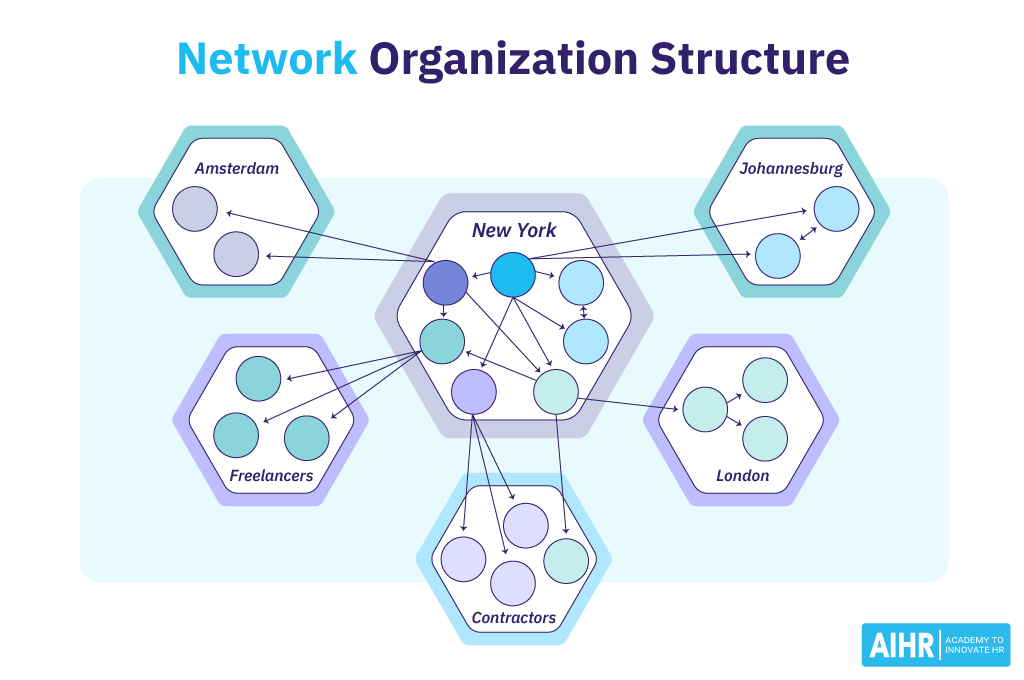
Effective networking is not simply about collecting business cards; it’s a strategic process that fosters meaningful connections to drive business growth. It involves building relationships with individuals who can provide support, insights, and opportunities. This approach contrasts sharply with superficial networking, which often lacks depth and tangible results.Meaningful networking involves actively listening, sharing knowledge, and seeking mutually beneficial collaborations.
This approach builds trust and rapport, creating a foundation for long-term partnerships. It’s about recognizing the value of each individual in the network, not just their potential to benefit you. A strong business network is a vital asset that can provide access to new markets, funding opportunities, and invaluable mentorship.
Effective Networking Definition
Effective networking for business growth is the process of developing and maintaining meaningful relationships with individuals who can contribute to professional success. It emphasizes building genuine connections based on shared interests and mutual benefit, rather than superficial interactions focused solely on personal gain. The core of effective networking lies in creating a robust support system of like-minded professionals who can provide guidance, opportunities, and a sense of community.
Difference Between Superficial and Meaningful Connections
Superficial networking often centers around collecting business cards and making brief, transactional interactions. Meaningful connections, on the other hand, involve deeper engagement, actively listening to others’ perspectives, and demonstrating genuine interest in their success. This approach fosters trust, collaboration, and long-term partnerships, creating a network that extends beyond immediate transactions. Superficial networking may yield short-term advantages, but meaningful connections provide lasting support and sustainable growth.
Characteristics of a Successful Business Network
A successful business network possesses several key characteristics. First, it’s built on mutual respect and trust, fostering a sense of community among members. Second, it’s characterized by open communication and active listening, where individuals feel comfortable sharing ideas and experiences. Finally, it’s driven by shared values and goals, creating a cohesive group that supports each other’s endeavors.
A strong network will facilitate knowledge sharing, collaboration, and access to resources, ultimately contributing to the growth and success of its members.
Types of Networking Events
Networking events can take various forms, each offering unique benefits. These events provide opportunities for professionals to connect with potential collaborators, mentors, and clients, contributing significantly to business growth.
| Event Type | Description |
|---|---|
| Industry Conferences | Large-scale events focusing on specific industries. These conferences typically feature keynote speakers, workshops, and networking opportunities. They often provide a platform to learn about the latest trends and meet key decision-makers in the field. |
| Online Forums | Digital platforms where professionals can connect, share information, and engage in discussions related to specific industries. Online forums are particularly useful for fostering global networking and staying abreast of current developments. |
| Local Meetups | Smaller, more intimate gatherings organized around geographic locations or shared interests. Local meetups are ideal for building relationships with peers and exploring opportunities within a particular community. |
Strategies for Building Connections
Effective networking hinges on building genuine connections, not just collecting business cards. This requires proactive engagement and a focus on understanding individuals’ needs and interests. Strategic conversation starters, memorable interactions, and insightful questions are key components of forging lasting relationships.Building strong professional relationships is a crucial element in achieving business growth. These connections often lead to referrals, collaborations, and opportunities that might otherwise remain hidden.
Mastering the art of networking is a continuous learning process.
Initiating Conversations
Understanding your audience is critical before initiating a conversation. Researching the individuals you’ll encounter beforehand can provide valuable insights into their background, interests, and professional goals. This knowledge allows you to tailor your approach and find common ground. Using open-ended questions is essential to encourage dialogue and uncover shared interests. For example, asking about their recent projects or professional experiences fosters a natural flow to the conversation.
These kinds of questions show genuine interest and encourage reciprocal engagement.
Remembering Names and Details
Remembering names and details about individuals demonstrates respect and fosters a sense of personal connection. Employing active recall techniques, such as repeating names immediately after hearing them, and associating them with a visual image or a relevant detail, can significantly improve memory retention. For instance, if you meet someone named Sarah who works in marketing, you could mentally connect her name with a specific marketing campaign you recently learned about.
This simple association can help you recall her name and other details later. Furthermore, taking notes, even brief ones, during the interaction can help in recalling key information.
Asking Insightful Questions
Asking insightful questions is a cornerstone of effective networking. These questions go beyond the superficial and delve into the individual’s professional experiences and motivations. For example, instead of asking “What do you do?”, try “What are you most passionate about in your current role?”. Such questions encourage deeper engagement and uncover opportunities for collaboration or shared learning.
Questions that explore the individual’s challenges or aspirations demonstrate genuine interest and create a platform for mutually beneficial interactions.
Active Listening Techniques
Active listening is crucial for building rapport and understanding others’ perspectives. It involves paying close attention not only to the words being spoken but also to the nonverbal cues, such as body language and tone of voice. Summarizing what the person has said, paraphrasing their points, and asking clarifying questions demonstrate your attentiveness and understanding. These techniques show genuine interest and allow for a deeper comprehension of their perspective.
Comparing Networking Approaches
| Approach | Description | Strengths | Weaknesses |
|---|---|---|---|
| Direct Approach | Initiating conversations directly, expressing interest, and engaging in a straightforward manner. | Builds rapport quickly, establishes clear intentions. | Can be perceived as aggressive or pushy if not executed carefully. |
| Indirect Approach | Observing, listening, and engaging in conversations organically, rather than directly initiating them. | Can build a stronger, more natural connection. | Can take longer to build rapport, and might miss opportunities if not observant. |
The table above provides a basic comparison of direct and indirect networking approaches. Choosing the appropriate approach depends on the specific context and your desired outcome. Both approaches have their own strengths and weaknesses, and understanding these nuances can enhance your networking effectiveness.
Utilizing Networking Platforms

Effective networking extends beyond in-person interactions. Leveraging online platforms allows for broader reach and targeted connections. These digital tools provide avenues for showcasing expertise, building relationships, and expanding business opportunities. By strategically utilizing these platforms, professionals can significantly enhance their networking efforts and foster growth.
Examples of Beneficial Online Networking Platforms
Various online platforms cater to diverse networking needs. LinkedIn, a professional networking site, stands out as a premier platform for business professionals. Other platforms, such as Twitter, offer avenues for engaging with industry leaders and thought-provoking discussions. Industry-specific forums and groups provide focused networking opportunities. Platforms like XING (in Europe) are important for international business development.
These examples represent a small fraction of the online platforms that can facilitate business growth.
Optimizing Profiles for Maximum Impact
Crafting compelling profiles is crucial on online networking platforms. A well-optimized profile acts as a digital storefront, showcasing skills, experience, and values. Profiles should be concise, accurate, and visually appealing. High-quality profile pictures and a compelling headline are essential. Thorough descriptions of skills and experience, along with relevant s, are vital for visibility.
A well-maintained profile increases discoverability and builds credibility.
Best Practices for Engaging in Online Discussions and Interactions
Engaging constructively in online discussions is key to effective networking. Participation should be thoughtful, respectful, and value-driven. Avoid overly promotional or self-serving language. Instead, actively contribute to discussions, sharing insights and perspectives. Actively listening and responding to others’ contributions demonstrates engagement and fosters stronger connections.
Asking clarifying questions and offering constructive feedback demonstrates genuine interest and engagement.
Methods for Connecting with Relevant Individuals
Connecting with relevant individuals on online platforms is a critical aspect of networking. Identifying individuals with complementary skills or shared interests is essential. Researching individuals’ profiles and activities will provide insight into their interests and areas of expertise. Personalized connection requests, highlighting shared interests or mutual connections, enhance the likelihood of acceptance. Initiating conversations through thoughtful comments or messages, demonstrating genuine interest, is crucial for building relationships.
Table: Pros and Cons of Online Networking Platforms
| Platform | Pros | Cons |
|---|---|---|
| Large professional network, advanced search filters, robust analytics, career opportunities. | Can be overwhelming, requires consistent effort to maintain presence, potential for superficial interactions. | |
| Real-time updates, quick engagement with industry leaders, visibility to a wider audience, news and trends. | Fast-paced environment, information overload, potential for negativity, less focus on in-depth engagement. | |
| Industry-Specific Forums | Targeted audience, specialized discussions, deeper understanding of industry challenges, collaboration opportunities. | Limited reach compared to broader platforms, potentially niche audience, dependence on active forum participation. |
Leveraging Networking Events
Networking events offer invaluable opportunities for professional growth and business development. Strategic participation in these events can significantly expand your professional network and open doors to new collaborations and opportunities. This section explores key strategies for maximizing the impact of your presence at networking events.Effective networking events are more than just superficial interactions. They provide platforms to cultivate meaningful connections that can lead to long-term partnerships and business growth.
This requires a proactive approach, focusing on relationship building rather than simply collecting business cards.
Maximizing the Impact of Networking Events
Networking events offer significant potential for business growth, but success hinges on proactive participation. Understanding the dynamics of these events and employing targeted strategies is crucial for maximizing their impact. Focus on quality over quantity; aim for genuine connections rather than superficial interactions.
Preparing for Networking Events
Thorough preparation is key to a successful networking event. Understanding the event’s objectives and identifying key attendees allows for strategic engagement.
- Understanding the Event’s Objectives: Knowing the event’s theme or focus enables targeted conversations. This understanding allows you to position yourself as a valuable resource and connect with like-minded professionals. For example, if the event is focused on sustainable practices in the fashion industry, you can prepare examples of your work related to this topic.
- Identifying Key Attendees: Researching potential contacts beforehand helps tailor your approach and facilitates more meaningful interactions. Identify individuals whose expertise or perspectives align with your goals and proactively seek opportunities to connect with them.
- Crafting a Professional Introduction: A concise and engaging introduction sets the tone for your interactions. Practice your introduction beforehand, focusing on highlighting your expertise and areas of interest.
Participating in Networking Events
Active participation is crucial for networking event success. Engage in meaningful conversations, listen attentively, and demonstrate genuine interest in others.
- Engaging in Meaningful Conversations: Ask open-ended questions to delve deeper into the other person’s interests and expertise. Avoid simply exchanging pleasantries. Show genuine interest in what they have to say.
- Active Listening: Pay close attention to what others are saying. Show genuine interest by nodding, making eye contact, and asking clarifying questions. This demonstrates respect and builds rapport.
- Demonstrating Genuine Interest: Ask questions that encourage dialogue and show that you are truly interested in getting to know the other person. This can involve asking about their work, their experiences, or their insights on industry trends.
Follow-up After Networking Events
Follow-up is essential for turning initial connections into lasting relationships. This demonstrates professionalism and commitment.
- Sending Thank-You Notes: A timely thank-you note, ideally within 24-48 hours, reinforces your professionalism and gratitude for their time. Mention specific points from your conversation to personalize the note.
- Following Up with Relevant Information: Share relevant articles, resources, or information that aligns with the conversation. This further demonstrates your expertise and builds value in the relationship.
- Maintaining Contact: Regular communication, through LinkedIn messages or email, strengthens the relationship and keeps you top of mind. This could be sharing industry updates, relevant articles, or simply checking in to see how they are doing.
Engaging Icebreakers for Networking Events
Effective icebreakers can initiate conversations and create a positive atmosphere. They should be brief, engaging, and relevant to the event.
- “What’s the most interesting thing you’ve learned this week?” This prompts conversation about current interests and knowledge.
- “What’s one trend you’re most excited about in [industry]?” This focuses on shared industry interests and facilitates discussion on relevant topics.
- “What’s one skill you’d like to develop?” This is a positive and open-ended question that encourages conversation about professional goals and shared learning opportunities.
Networking Event Formats Comparison
Different networking events cater to diverse needs and objectives. Understanding the nuances of each format helps you choose the most suitable events for your goals.
| Event Format | Description | Strengths | Weaknesses |
|---|---|---|---|
| Conferences | Large-scale events with diverse speakers and sessions. | Exposure to a wide range of perspectives, networking with many professionals. | Can be overwhelming, limited time for individual interactions. |
| Workshops | Smaller, more focused events centered around specific skills or topics. | Deep dives into specific areas, often more interactive. | Might not offer broad networking opportunities. |
| Meetups | Informal gatherings for professionals in specific industries or communities. | Opportunity for relaxed networking, fostering genuine connections. | May have a limited scope or fewer resources. |
Cultivating Long-Term Relationships

Building strong, lasting relationships is crucial for long-term business growth. Networking is not just about collecting initial contacts; it’s about cultivating meaningful connections that yield ongoing benefits. A proactive approach to nurturing relationships ensures that your network remains a valuable resource for support, collaboration, and opportunities.Effective networking is an investment in time and effort. Maintaining contact and demonstrating value to connections over time fosters trust and strengthens bonds.
This approach cultivates a network of support that extends beyond initial introductions and provides lasting advantages.
Importance of Nurturing Relationships
Maintaining contact with connections after initial introductions is essential for building trust and demonstrating genuine interest. This proactive engagement demonstrates respect for the relationship and cultivates a sense of reciprocity. Nurturing these relationships ensures that connections are more likely to think of you when opportunities arise and to be willing to help you when needed.
Strategies for Staying in Touch
Regular communication is key to maintaining relationships. Strategies for staying in touch include sending personalized messages, sharing relevant articles or insights, and offering help or support when appropriate. Remembering significant events in your connections’ lives, like birthdays or work anniversaries, shows thoughtfulness and care.
Offering Value to Contacts
Offering value to contacts is a cornerstone of relationship building. This involves sharing relevant information, offering insights, and providing support when appropriate. Helping contacts with their projects or offering advice can be highly beneficial, strengthening the relationship and building trust. Remember, offering value is not about constantly seeking something in return; it’s about genuine support and collaboration.
Examples of Maintaining Professional Relationships
One example of maintaining a professional relationship is sending a follow-up email after a networking event, summarizing key takeaways and offering a helpful resource. Another example involves sharing a relevant article or industry news with a contact, demonstrating thoughtfulness and keeping them updated on developments. Finally, offering to connect with relevant contacts when appropriate strengthens relationships and demonstrates a genuine interest in their success.
Methods for Maintaining Professional Connections
Regular and thoughtful communication is key to maintaining professional connections. This includes a variety of methods, ensuring your approach is tailored to the specific connection and their preferred communication style.
| Communication Method | Description | Example |
|---|---|---|
| A versatile method for sharing information, updates, and resources. | Sending a personalized email after a meeting summarizing key points and offering relevant articles. | |
| Social Media | A platform for staying connected and sharing updates. | Engaging with contacts’ posts, sharing relevant industry updates, and offering thoughtful comments. |
| Phone Calls | Allows for more in-depth conversations and stronger connections. | Scheduling a brief phone call to check in, discuss new projects, or offer support. |
| Networking Events | Provides opportunities for continued engagement and interaction. | Actively participating in networking events and seeking opportunities for future collaborations. |
Overcoming Networking Challenges

Networking, while crucial for professional growth, can present various obstacles. Addressing these challenges head-on is key to maximizing networking opportunities and fostering productive relationships. Navigating shyness, awkward conversations, and potential conflicts are all part of the process. Developing strategies for handling these situations confidently and professionally is essential for success.
Common Networking Obstacles
Networking, while valuable, often presents hurdles. Understanding these obstacles allows individuals to proactively address them and improve their networking experience. These obstacles can stem from various factors, including personality traits, communication styles, and the dynamics of specific situations.
- Shyness or anxiety:
- Awkward conversations:
- Negative feedback:
- Conflicts in professional relationships:
Fear of rejection or the unknown can inhibit participation in networking events. Overcoming this involves recognizing that these feelings are common and practicing strategies to manage them.
Uncomfortable or unproductive interactions can damage the networking experience. Developing active listening skills and engaging in meaningful conversation can mitigate these issues.
Constructive criticism can be difficult to receive. Learning to interpret feedback objectively and use it for personal growth is vital.
Disagreements or misunderstandings can occur. Developing conflict resolution skills allows for addressing these issues professionally and maintaining positive relationships.
Strategies for Overcoming Shyness or Anxiety
Shyness and anxiety are common obstacles in networking situations. These feelings can be managed with preparation and positive self-talk.
- Preparation is key:
- Positive self-talk:
- Practice makes perfect:
- Focus on listening:
Knowing what to say and who to talk to beforehand can ease the pressure of a networking event. Researching the event, identifying potential connections, and formulating talking points can reduce apprehension.
Replace negative thoughts with positive affirmations. Focusing on personal strengths and the potential benefits of networking can improve confidence.
Simulating networking scenarios can help build confidence and reduce anxiety. Practicing conversations with friends or mentors can be beneficial.
Concentrating on active listening demonstrates genuine interest in others and shifts the focus away from personal anxieties.
Handling Awkward Conversations or Negative Feedback
Awkward conversations and negative feedback can arise during networking interactions. Learning to navigate these situations gracefully is crucial.
- Acknowledge and validate:
- Remain calm and professional:
- Seek clarification:
- Focus on solutions:
Acknowledging the other person’s perspective, even if you don’t agree, can de-escalate the situation. Validating their feelings, even if you don’t agree with their viewpoint, can create a more productive conversation.
Maintaining composure allows for a more productive exchange. Responding thoughtfully and avoiding emotional outbursts is key.
If the feedback or conversation is unclear, politely ask for clarification. This shows a desire for understanding and can help address any misunderstandings.
Instead of dwelling on the negative, focus on finding solutions or areas of mutual agreement.
Addressing Conflicts in Professional Relationships
Conflicts in professional relationships are inevitable. Addressing them constructively is essential for maintaining positive connections.
- Active listening:
- Open communication:
- Finding common ground:
- Seeking mediation:
Understanding the other person’s perspective is crucial for conflict resolution. Pay close attention to what the other person is saying and try to understand their point of view.
Communicate openly and honestly about concerns and disagreements. Avoid passive-aggressive behavior.
Identify shared goals or values to foster collaboration and understanding.
If necessary, involve a neutral third party to facilitate communication and find a resolution.
Table of Common Networking Challenges and Solutions
| Challenge | Solution |
|---|---|
| Shyness/Anxiety | Preparation, positive self-talk, practice, focus on listening |
| Awkward Conversations | Active listening, clarification, focusing on solutions, remaining calm |
| Negative Feedback | Acknowledge and validate, remain calm, seek clarification, focus on solutions |
| Conflicts in Relationships | Active listening, open communication, finding common ground, seeking mediation |
Measuring Networking Effectiveness
Assessing the return on investment (ROI) of networking efforts is crucial for optimizing future strategies. Understanding which activities yield the best results allows businesses to allocate resources more effectively and refine their approach. This section details how to measure networking effectiveness, from identifying key metrics to analyzing data for strategy improvement.Measuring the success of networking initiatives requires a structured approach.
Simply attending events is not enough; quantifying outcomes provides valuable insights for future planning. This section focuses on practical methods to track progress, analyze results, and ultimately refine networking strategies to maximize business growth.
Key Metrics for Evaluating Networking Success
Tracking the results of networking activities involves defining specific, measurable, achievable, relevant, and time-bound (SMART) goals. These metrics should align with the overall business objectives and provide clear evidence of the effectiveness of networking initiatives. Examples include identifying new leads, establishing partnerships, and driving sales. By focusing on quantifiable results, businesses can gain a clearer understanding of their networking ROI.
- New Leads Generated: Tracking the number of qualified leads generated through networking activities is a critical metric. This involves recording the number of initial contacts made and the number of those contacts who demonstrated a genuine interest in the business’s offerings. It’s essential to differentiate between initial contacts and qualified leads.
- Partnerships Established: Successful networking can lead to valuable partnerships. This metric tracks the number of collaborative agreements formed with other businesses. This includes joint ventures, strategic alliances, and other forms of business partnerships.
- Sales Generated: A direct measure of networking effectiveness is the revenue generated as a result of networking activities. This involves identifying sales directly attributable to networking efforts. For example, if a sale is made through a contact met at a networking event, that sale can be attributed to networking activities.
- Brand Awareness: Measuring the increase in brand visibility and recognition through networking activities is important. This could involve tracking social media mentions, press coverage, or online searches related to the brand. Analyzing the reach of networking efforts provides insights into how effectively the brand is being promoted through networking initiatives.
Tools and Techniques for Tracking Progress
Implementing effective tracking mechanisms is essential for monitoring networking activities. This involves using a variety of tools and techniques to record and analyze data.
- Networking Log: Maintaining a detailed log of networking activities, including dates, locations, contacts made, and follow-up actions, is crucial. This log provides a comprehensive record of networking efforts.
- CRM Software: A Customer Relationship Management (CRM) system can be used to manage leads, track interactions, and monitor progress. This centralized platform streamlines the management of networking data and improves the overall efficiency of lead nurturing and conversion.
- Social Media Analytics: Monitoring social media activity can provide insights into brand mentions and engagement related to networking efforts. Tools for tracking social media interactions can offer valuable data about the effectiveness of networking activities in enhancing brand awareness.
Analyzing Data to Optimize Strategies
Regular analysis of collected data is essential for optimizing networking strategies. This involves identifying patterns, trends, and areas for improvement.
- Data Visualization: Representing networking data visually (e.g., charts, graphs) helps identify trends and patterns more easily. This visual representation allows for a clearer understanding of the data and can aid in the identification of key performance indicators (KPIs).
- Benchmarking: Comparing networking performance against industry benchmarks or competitors provides a context for assessing effectiveness. This comparison allows for identifying areas where performance can be improved.
- A/B Testing: Experimenting with different networking strategies and analyzing the results helps determine which approaches yield the best outcomes. This allows for optimizing future networking initiatives to maximize results.
Examples of Quantifiable Outcomes
Quantifiable outcomes provide clear evidence of networking effectiveness. For example, a company might observe a 15% increase in leads generated after implementing a new networking strategy. Another example might be a 10% increase in sales attributed to networking activities.
| Metric | Example Outcome |
|---|---|
| New Leads | Generated 25 new leads from networking events in Q3. |
| Partnerships | Established 3 strategic partnerships through networking in Q4. |
| Sales | Increased sales by 10% in the second half of the year, with networking contributing 5% of the total. |
| Brand Awareness | Increased brand mentions on social media by 20% after participating in a series of networking events. |
End of Discussion

In conclusion, effective networking is a multifaceted process that requires understanding, strategy, and consistent effort. By mastering the techniques Artikeld in this guide, you’ll be well-positioned to cultivate lasting relationships, generate new opportunities, and achieve substantial business growth. Remember that building a strong network is not a destination but a continuous journey of learning and connection.